Pulse 04 · April 2, 2023 · 6 min
Behind the Mask of the ‘Toxic Player’
Why it’s time to end online anonymity and put accountability back in the hands of the community.

Last year, I stood on the TEDx stage in Silverdale and talked about the damage platforms like TikTok and Instagram are doing. Things have only gotten worse since then. We’re scrolling straight toward the edge, steered by American tech giants that profit from our deepest insecurities.
Today’s social media is built on a fundamental lie: these platforms claim to “connect” us while trapping us in aggressively commercialized echo chambers.
Behind the ‘Toxic Player’ Mask
The biggest failure of our digital world is its complete lack of accountability. Platforms reward deception. A guy can play the perfectly enlightened feminist on Instagram—an artsy black-and-white photo, a profound Beauvoir quote in his bio—and collect thousands of likes and a stamp of social approval. Meanwhile, back on campus, he’s a full-blown toxic player who systematically tears girls down.
On social media, the biggest jerk with the best filter or the most inflammatory tweet holds the most power. Why? Because Mark Zuckerberg’s algorithm wasn’t designed around morality. It was designed around ad revenue. More conflict means more outrage, more “engagement,” and more money for Silicon Valley. The system fuels pathological narcissism and rewards hypocrisy.
The Tyranny of Anonymity
Under the cover of anonymity and “free speech,” we’ve created a digital minefield. Dating has become a game of chance where you just have to hope the guy from Tinder isn’t a psychopath. Group projects are an exercise in frustration: the loudest person takes the credit, while the quiet student doing the actual work disappears because he refuses to compete in the online popularity contest.
We’ve lost the social accountability that once held healthy communities together. In a traditional town, everyone knew who was unhinged, who was a thief, and which baker could be trusted. The way you behaved had real consequences for the way your community treated you. Now, people can hide behind an anonymous account or a carefully curated feed, pollute the public square with their worst behavior, and face no consequences at all.
Making Decency Radical
I don’t believe in Silicon Valley’s fake filters. I don’t buy the neoliberal myth that the market will fix this on its own. If we want to confront the loneliness and distrust defining our generation, we need to give accountability back to the community.
We don’t need another app feeding us dopamine. We need to restore basic social decency. Anonymity has to go. People should once again be responsible for how they act in the real world—with the dining hall staff, their dates, and their classmates. The truth isn’t afraid of data. It’s time to find a way to pull off the masks.
How much fakery do you spot in your feed every day? Would you give up anonymity for a community that’s genuinely honest? Join the conversation in the comments. 👁️🏛️
#RadicalTransparency #AntiTech #SocialAccountability #SilverdaleInsight
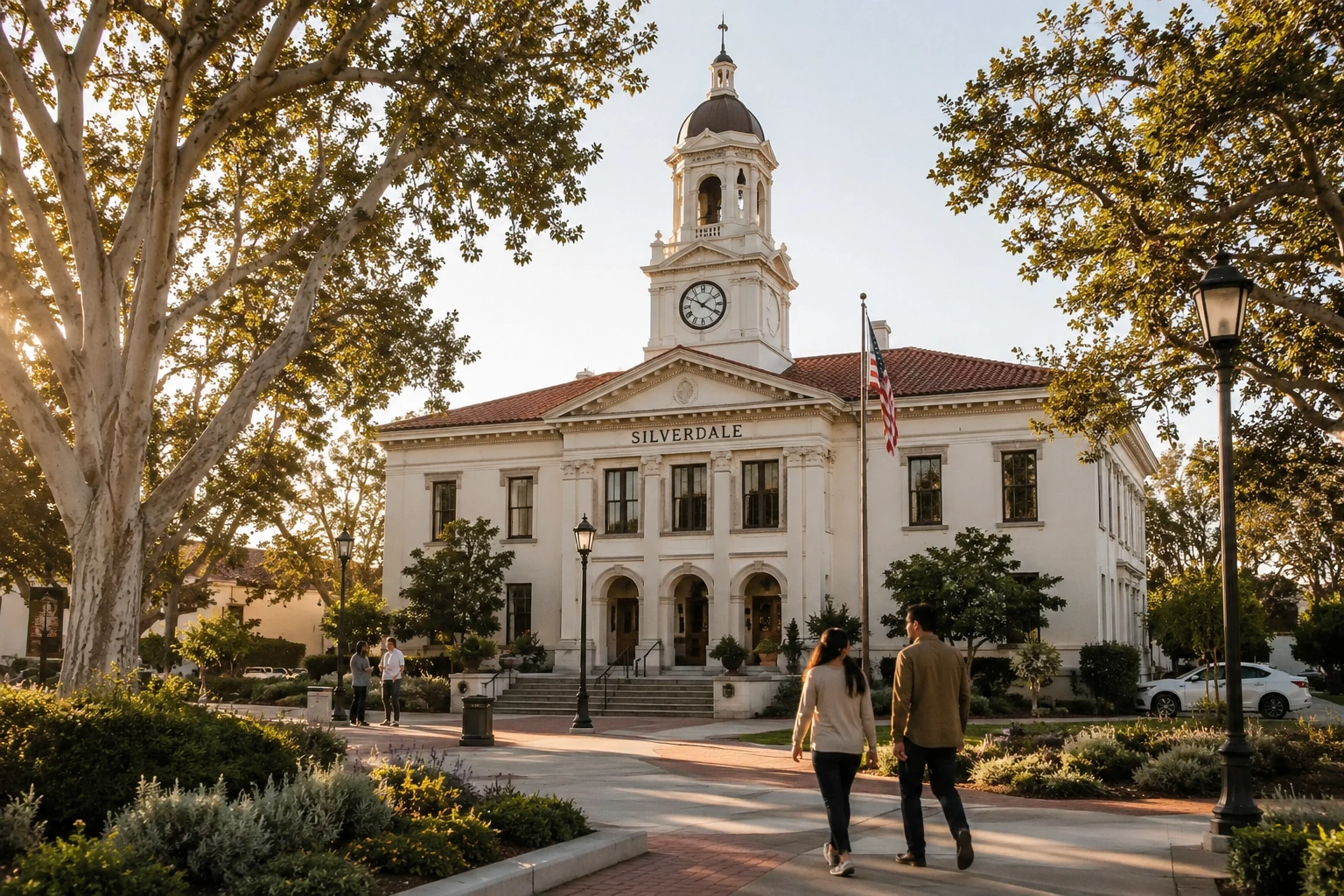



Silverdalers, in their own words
Community responses 2
Jonah Price
Graduate student ·
The criticism of curated online identities rings true, but removing anonymity would also silence people who need privacy to speak honestly. Accountability needs more nuance than attaching a legal name to every opinion.
Sofia Marin
Old Quay ·
I agree that platforms reward outrage. I disagree that a small town automatically handles reputation fairly; communities can repeat a rumor just as quickly as an algorithm can amplify one.
Community notes
Join the conversation
Thoughtful contributions help keep Silverdale’s community conversations useful, welcoming and connected.
GRACE COMMUNITY
Thank you.
Your Community Profile could not be verified.
Comments become available after participation has been confirmed.